
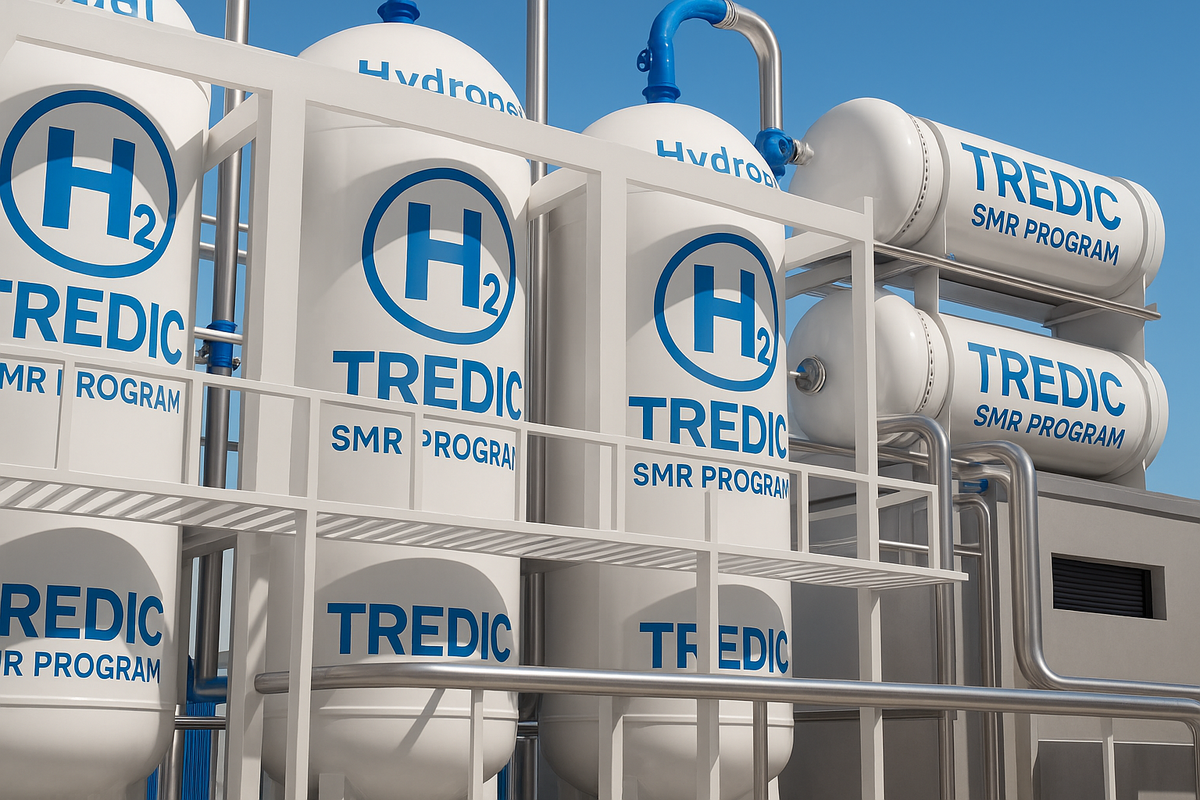
Hydrogen-First Economy

The Hydrogen-First Economy

TREDIC SMR is at the forefront of building a hydrogen-first economy using nuclear energy. Our proprietary HTGR reactors generate high-temperature heat ideal for efficient hydrogen production—making us uniquely positioned to deliver clean hydrogen, synthetic fuels, and downstream industrial products at scale.

Context

Why Hydrogen Needs Baseload

Most hydrogen is fossil-based; intermittent renewables cannot sustain 24/7 industrial duty cycles. TREDIC closes the gap with nuclear-powered hydrogen that is clean, continuous, sovereign, and financeable.
Fossil Hydrogen
High emissions, energy price volatility, and growing policy penalties undermine long-term industrial adoption.
Renewable Hydrogen
Clean but intermittent and land-intense; hard to meet process heat needs and round-the-clock refining or SAF production.
TREDIC Hydrogen
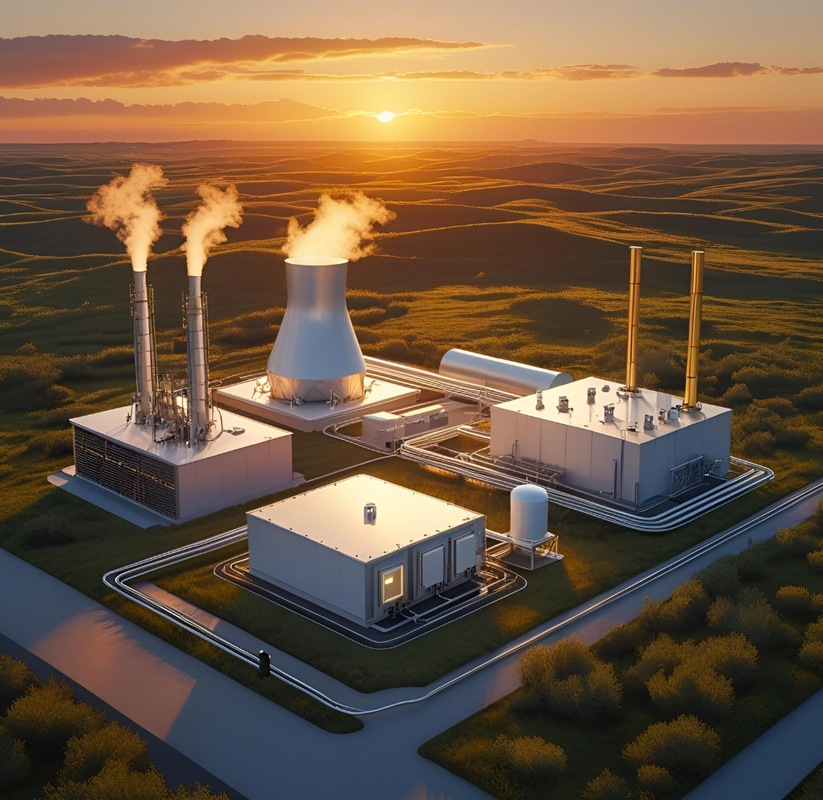
SMR heat + power drive high-temperature electrolysis and thermochemical cycles, unlocking reliable output and lower LCOH.
Nuclear plant in forest

Platform

A Vertically Integrated Hydrogen Economy Platform

We generate, own, and operate the assets—from reactors and electrolysers to storage, conversion, distribution, and trading—so partners capture full value and sovereign resilience.
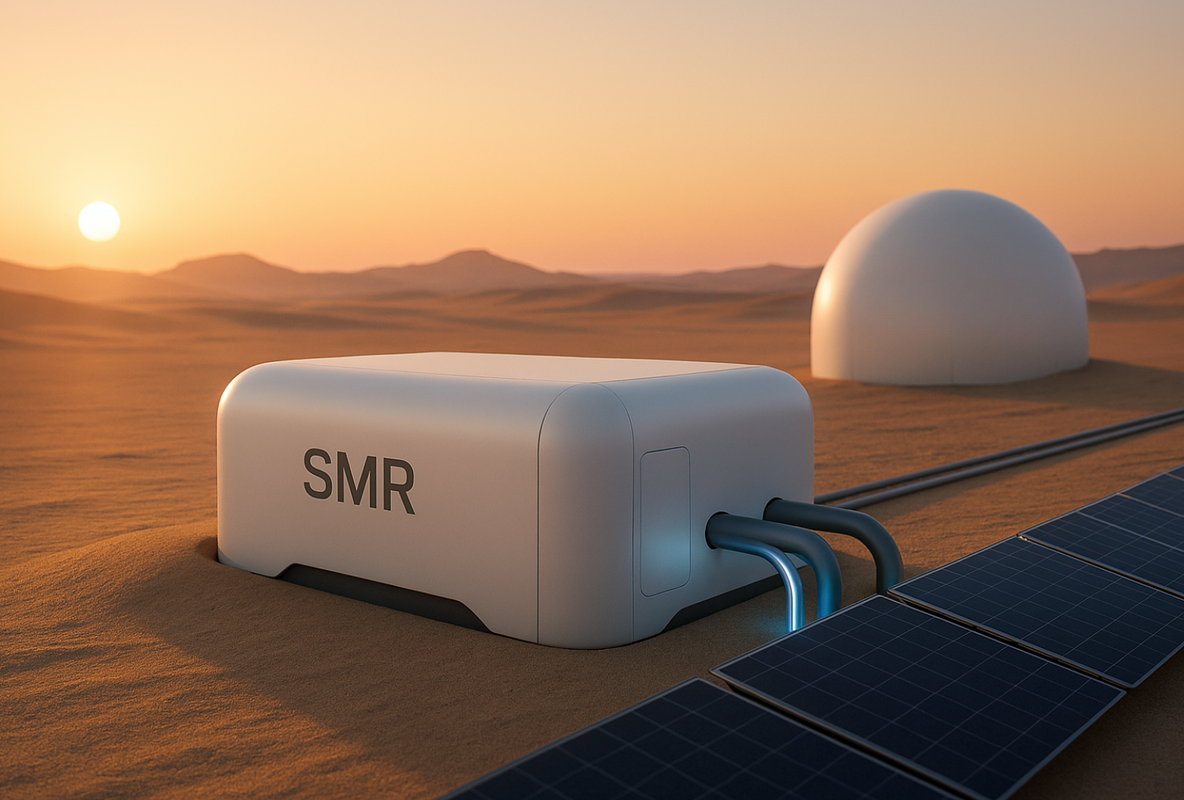
SMR in desert
We Generate
Industrial‑scale hydrogen via SMR power and heat—solid oxide electrolysis and thermochemical cycles for record efficiency.
We Own
Long‑life infrastructure: reactors, electrolysis blocks, storage, conversion plants, and midstream interfaces for ports & pipelines.
We Operate
Hands‑on O&M at steel mills, refineries, ports, and mobility hubs—performance, compliance, and uptime as a service.

Technology

Hydrogen Powered by Advanced Nuclear

Proprietary HTGR with TRISO fuel, helium cooling, compact siting, high outlet temperatures (~900°C), and digital-first operations.

HTGR Highlights
  • TRISO fuel with exceptional fission‑product retention and passive safety characteristics.
  • Helium coolant; inherent/passive safety; zero‑radius exclusion zones for flexible siting.
  • ~30m × 100m compact footprint; modular 10–360 MWth configurations.
  • Load‑following for dynamic switching between grid power, process heat, and hydrogen output.
  • AI‑driven predictive maintenance, satellite monitoring, and cyber‑resilient control systems.
Electrolyser Advantages
  • Efficiency > 85% (HHV) at full load; high purity hydrogen for aviation fuels and chemical feedstocks.
  • Modular 1–20 MW blocks; 30+ year design life; established global safety standards.
  • High‑temperature electrolysis (HTE/SOEC) roadmap for record efficiencies and stable operations.
  • Designed for harsh geographies and ambient extremes with robust construction and remote ops.
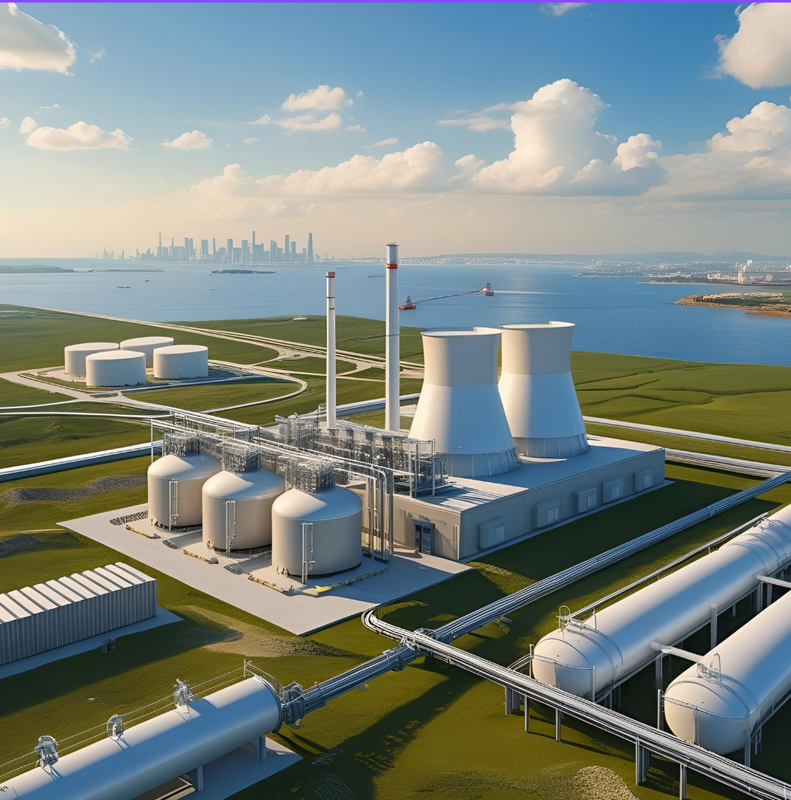
Reactors in a coastal town

How It Works

From Reactor Heat to Molecules and Markets

A single integrated process—from nuclear heat to hydrogen, to carriers and final offtakers—delivers predictable output and bankable cash flows.

Heat & Power
HTGR produces high‑grade heat (~900°C) and electricity for electrolysis and plant systems.
Hydrogen
SOEC/HTE stacks convert water to H₂ with industry‑leading efficiency and purity.
Conversion
Optional synthesis to ammonia/methanol/LOHC for storage, transport, and export.
Delivery
Pipelines, ports, and multimodal logistics feed heavy industry, fuels, and mobility.

Value Chain

Upstream, Midstream, Downstream

End‑to‑end integration enables energy sovereignty, de‑risked deployment, and multi‑revenue capture.

Baseload generation via HTGR heat and electricity. Co‑located hubs near industrial clusters reduce transmission losses and accelerate offtake alignment.

Integration

Seven Pillars Powering Every Sector

Ammonia, blending, feedstocks, distribution, energy security, fuels, grid services.

Dome structure
A
Ammonia
Co‑located synthesis for export and fertilizer markets, leveraging nuclear heat to improve overall efficiency.
B
Blending
Gradual decarbonization through hydrogen blending in natural gas networks for residential and industrial heat.
C
Chemical Feedstocks
Supplying methanol, synthetic hydrocarbons, and polymer value chains with high‑purity hydrogen.
D
Distribution
Liquid hydrogen, ammonia, and alternative carriers across ports, pipelines, road and rail logistics.
E
Energy Security
Sovereign hydrogen reserves and strategic hubs to reduce import dependence and price shocks.
F
Fuels
Green synthetic fuels for aviation and maritime sectors, enabling SAF mandates and EEXI compliance.
G
Grid Services
Spinning reserves, peak shaving, and balancing to stabilize grids with high renewable penetration.

Market

The SMR × Hydrogen Convergence

A first‑mover advantage at the intersection of clean baseload power and scalable green molecules.

LCOH Trajectory
< $3.50/kg today; < $2.00/kg targeted by 2035 through HTGR heat integration, HTE maturity, modular scaling, and optimized load factors.
Primary Offtakers
Steel, ammonia/methanol, refineries, aviation (SAF), maritime (e‑fuels), cement, glass, datacenters (backup fuel cells) and regional mobility hubs.

Trust

Safe. Sovereign. Sustainable.

Inherent safety, closed‑cycle fuel strategies, transparent governance, and community partnerships.

Inherent & Passive Safety
TRISO, helium cooling, and fail‑safe designs enable siting flexibility and public confidence without compromising performance.
Digital‑First Operations
AI‑driven predictive maintenance, satellite monitoring, cyber‑resilient control—lower OPEX, higher uptime, better asset longevity.
ESG & Community Value
Zero‑carbon baseload, skilled jobs, STEM pathways, local supplier development, and continuous dialogue with host communities.

Governance

Regulatory Alignment & Licensing Pathways

Built for global compliance: IAEA guidance; NRC (US), CNSC (Canada), ONR (UK) engagement; adaptive, jurisdiction‑specific strategies.

Strategy
Early regulator engagement, comprehensive safety cases, environmental impact assessments, and public consultations; continuous auditing and real‑time monitoring to sustain compliance.
Pathways
Design certification where appropriate; site license applications with experienced operators; flexible models (BOO/BOT/PPP/licensing) tailored to policy and capital preferences.

Resilience

Risk & Mitigation Matrix

Bankability through modular design, diversified revenue, sovereign alignment, and staged deployment.

Technology & Engineering
Proven HTGR concepts, modular architecture, EPC/OEM partnerships, and phased FOAK to NOAK rollout.
Regulatory & Licensing
Early engagement with IAEA/NRC and local authorities; adaptive licensing strategies with in‑house expertise.
Fuel Supply
Long‑duration cores; early vendor engagement; participation in global assurance programs; regional fabrication options.
Public Perception
Inherent safety, ESG‑first messaging, community education, and transparent monitoring dashboards.
Supply Chain
Strategic sourcing, modular fabrication, midstream integration, and workforce development with local partners.
Financing & Offtake
Flexible BOO/BOT/PPP, PPAs and offtakes, multi‑revenue streams across power, heat, hydrogen, and fuels.

Access

Remote, Off‑Grid & Distributable Energy

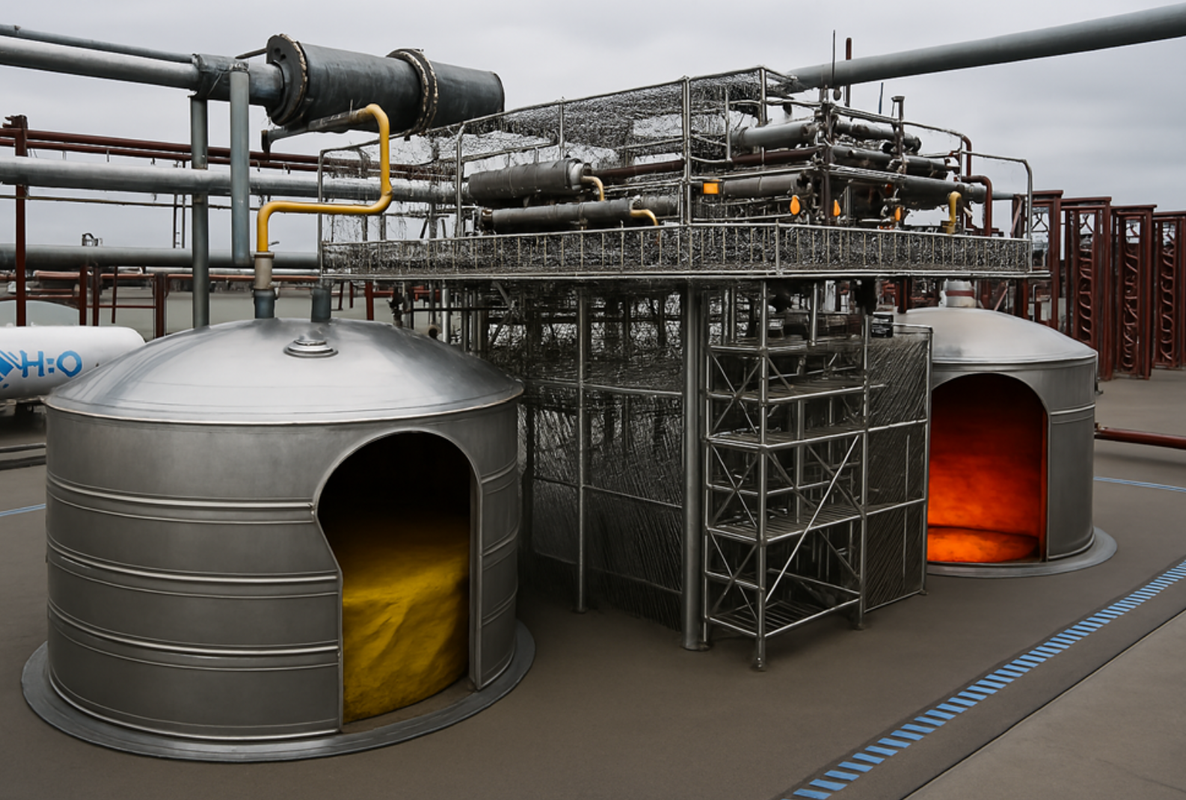
Modular, inherently safe SMRs paired with hydrogen systems for mining regions, islands, and rural industrial hubs.
Why It Matters
Autonomous operations, microgrids, desalination coupling, and local fuel generation transform isolated communities with reliable power, water, and connectivity.
Operational Edge
Satellite‑based monitoring and predictive maintenance minimize on‑site staffing, reduce logistics, and enhance resilience in harsh environments.
Remote energy hub

R&D

Research & Development Roadmap

Short‑, medium‑, and long‑term objectives advancing HTGR × hydrogen performance, reliability, and scale.

HTSE integration proofs; thermochemical pilots; digital twins for energy‑water coupling; desalination coupling demos; IP and ESG‑aligned disclosures.

Performance

KPIs & Commercial Metrics

Transparent performance signals for governments, investors, and industrial partners.

>85%
Electrolyser efficiency (HHV)
900°C
HTGR outlet temperature
30+ yrs
Electrolyser design life
10–360 MWth
Modular reactor range
24/7
Baseload hydrogen output
<$2/kg
Target LCOH by 2035

Delivery

Partnering & Delivery Models

Flexible commercial structures that align with policy, capital, and operator preferences.

BOO
Build‑Own‑Operate for long‑term asset control and predictable cash flows.
BOT
Build‑Own‑Transfer for capex‑light public outcomes and local ownership.
PPP
Public‑Private Partnerships to blend sovereign goals with private execution.
Licensing
Design authority & technology licensing with O&M and training overlays.

Clarity

Frequently Asked Questions

Addressing common technical, regulatory, and commercial questions from partners and offtakers.